_and_Spencer_008.jpg?format=webp&width=3840&quality=75)
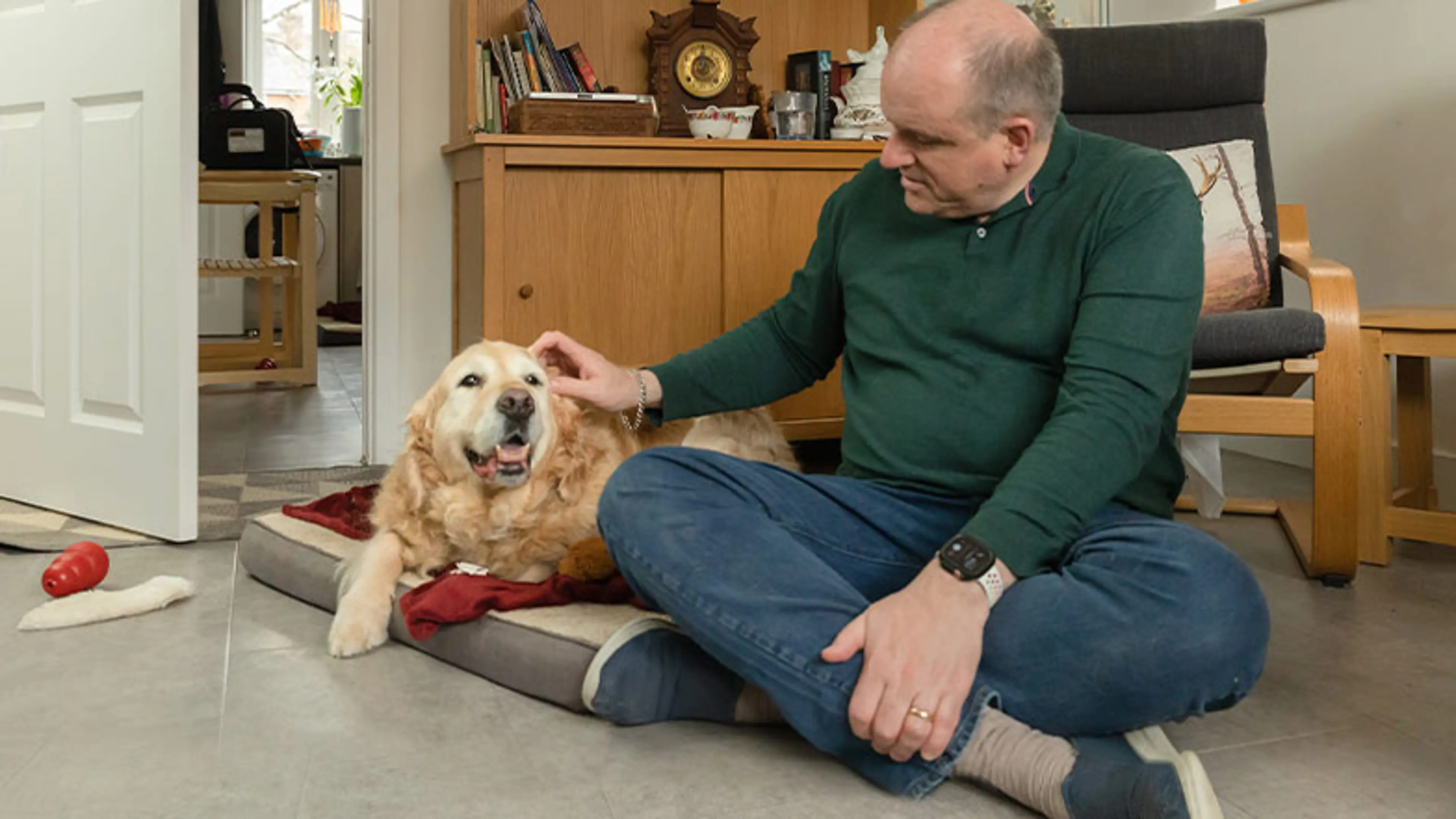
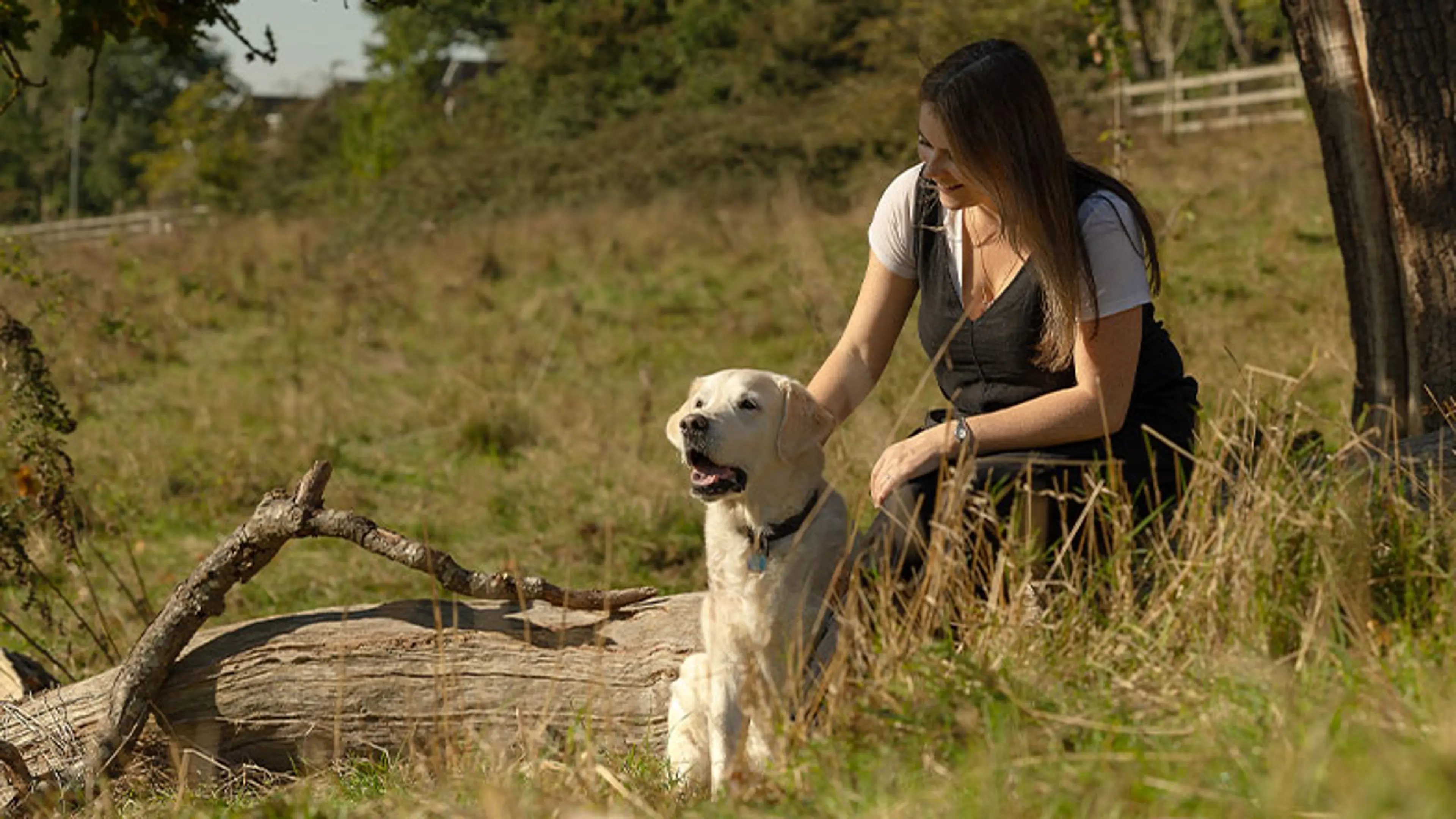
As your guide dog ages and their retirement approaches, it's important to consider what's best for the next stage of your lives. When you're nearing the end of your working partnership, the thought of being without your guide dog, or considering training with a new dog, can be a difficult time.
We're here to give you support and discuss your options with you. It's essential to think about what you might like to happen and talk things through with your friends and family, so you feel prepared when the time comes for your guide dog to retire.
On this page...
Loading video...
In this video, guide dog owners John, Nathan and Veronica, and Guide Dog Mobility Specialist, Richard, share why and when a guide dog might retire as well as how our guide dogs spend their retirement after their working career.
Life after your guide dog retires
Adjusting to life without your guide dog is a big change. Whilst you may begin to consider thinking about another guide dog partnership, this isn't suitable for everyone, particularly if your needs or lifestyle have changed. If another guide dog isn’t the right choice for you, there are various options to explore.
Embracing technology, such as smartphone apps or mobility aids, can be helpful, along with additional orientation and mobility training to help you get around confidently without a guide dog. Exploring transport options and looking into help within the community are also essential to adapting to life without your guide dog. Whatever your situation, our team is here to offer guidance and to help you find the best mobility solution for your needs.
Feelings of grief and loss when your guide dog retires
After your guide dog retires, it's perfectly normal to experience feelings of grief and loss. This is a natural response to a significant change in your life. Your guide dog has been a loyal companion and partner for many years; adjusting to life without them by your side will take time. It's important to recognise and acknowledge these feelings and to allow yourself the space to process them.
You might want to talk to friends, family, or fellow guide dog owners about how you're feeling. They'll understand the unique bond you shared and expressing your emotions can be helpful.
The Blue Cross offer a pet loss support service, and their experienced and compassionate support staff are available by phone, webchat, and email. You can find out more about this service on the Blue Cross website. However, if these feelings persist, you should speak to a counsellor or support group who can offer additional support for coping and moving forward.