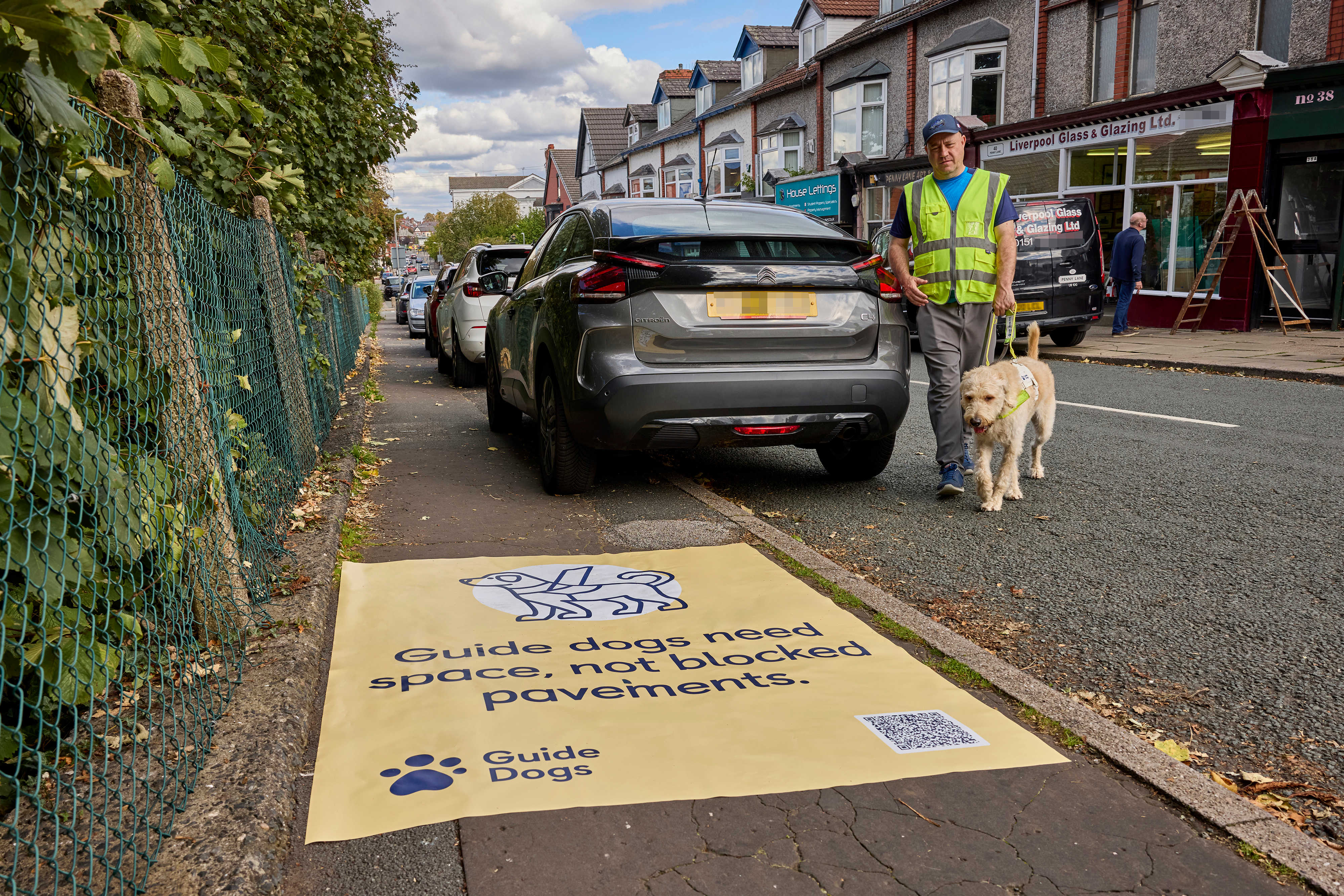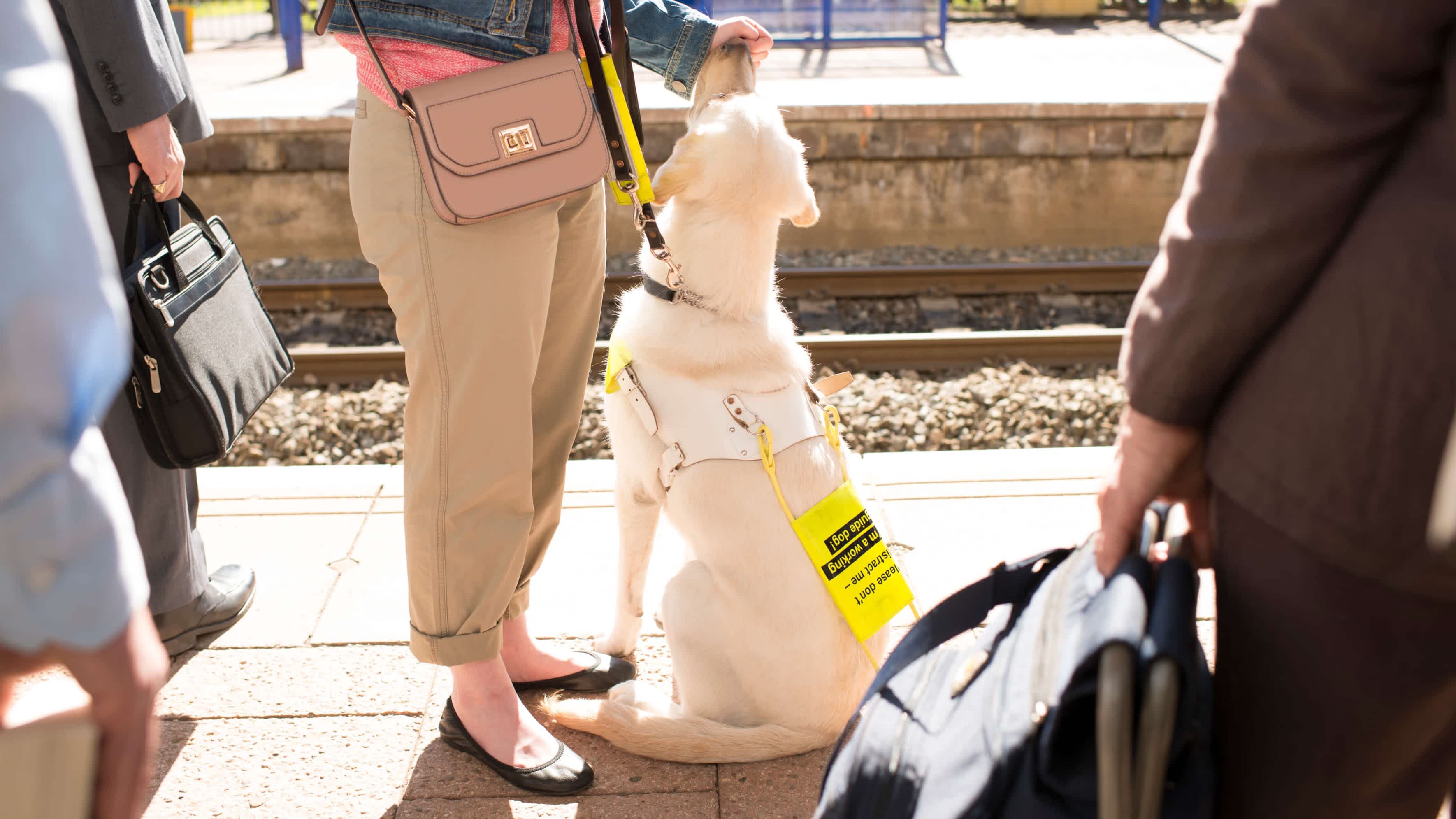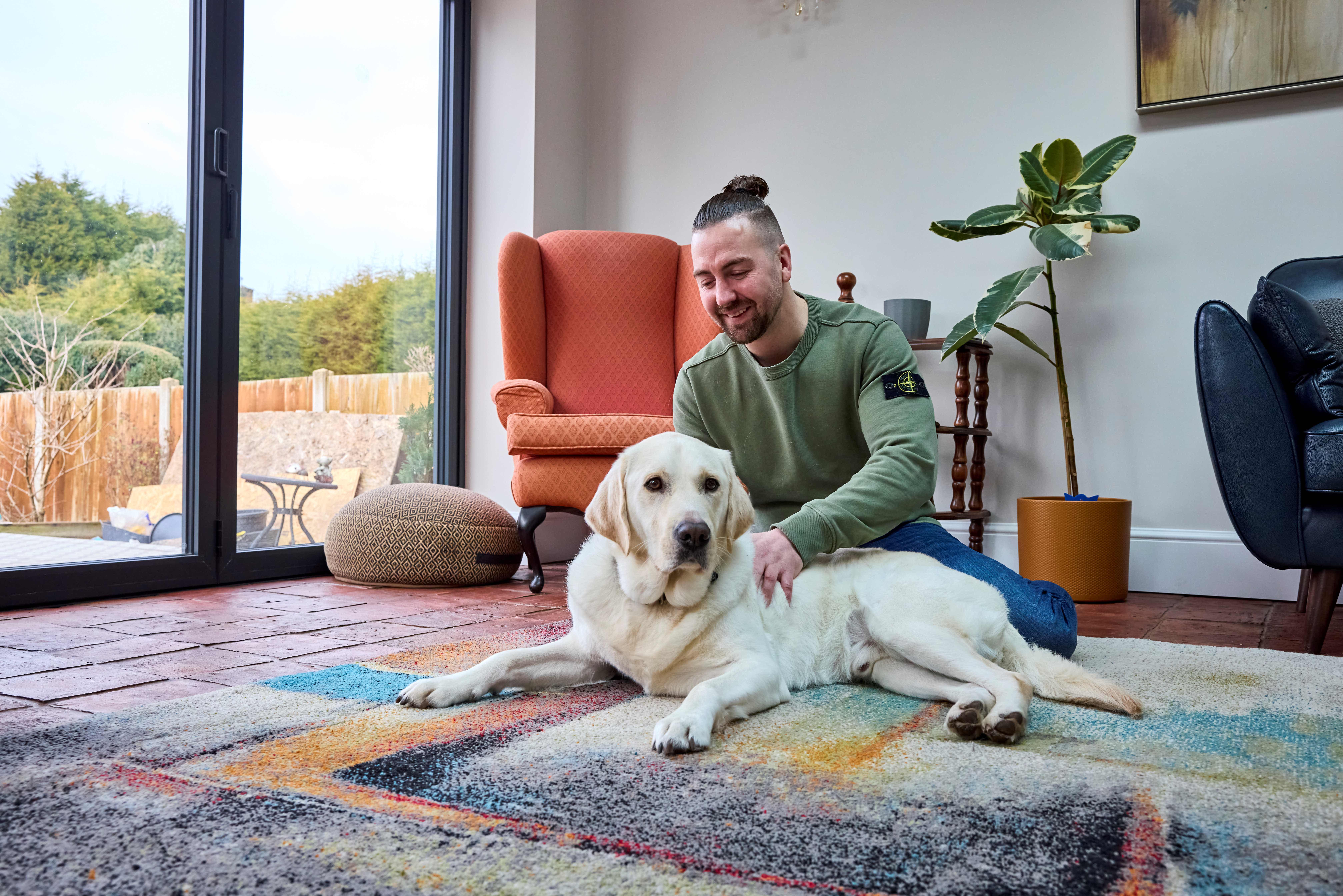
After decades of campaigning, Guide Dogs has helped secure a major step forward for people with sight loss, as the Government announces new powers for local councils to tackle dangerous pavement parking.
Under these plans, councils in England will be given stronger powers to manage pavement parking in line with the needs of their communities. This is an important and positive development, with the potential to make a real difference to everyday journeys for people who rely on clear and accessible streets for safe and independent travel.
Guide Dogs’ Chief Executive, Andrew Lennox, said:

After years of campaigning, we welcome the announcement to give councils greater powers to tackle problem pavement parking.
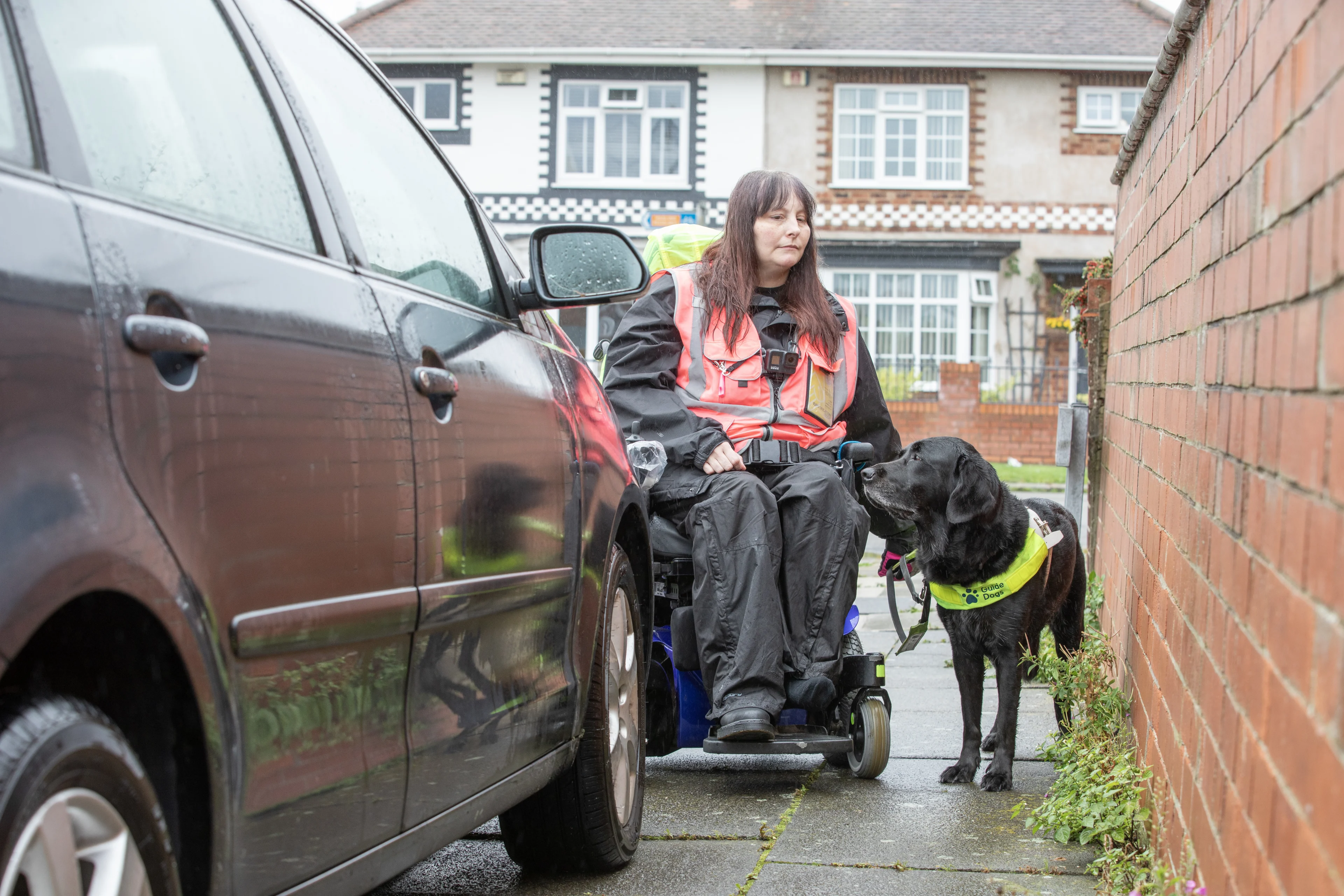
Cars blocking pavements are a nuisance for everyone, but especially dangerous for people with sight loss, who can be forced into the road with traffic they can’t see. Pavement parking is also a barrier that shuts people out of everyday life. When pavements are blocked, people with sight loss lose confidence, independence and the freedom to travel safely. This stops people accessing work, education and social opportunities.
We look forward to working with the government and local authorities to ensure these changes are introduced quickly and consistently enforced so pavement parking becomes a thing of the past.

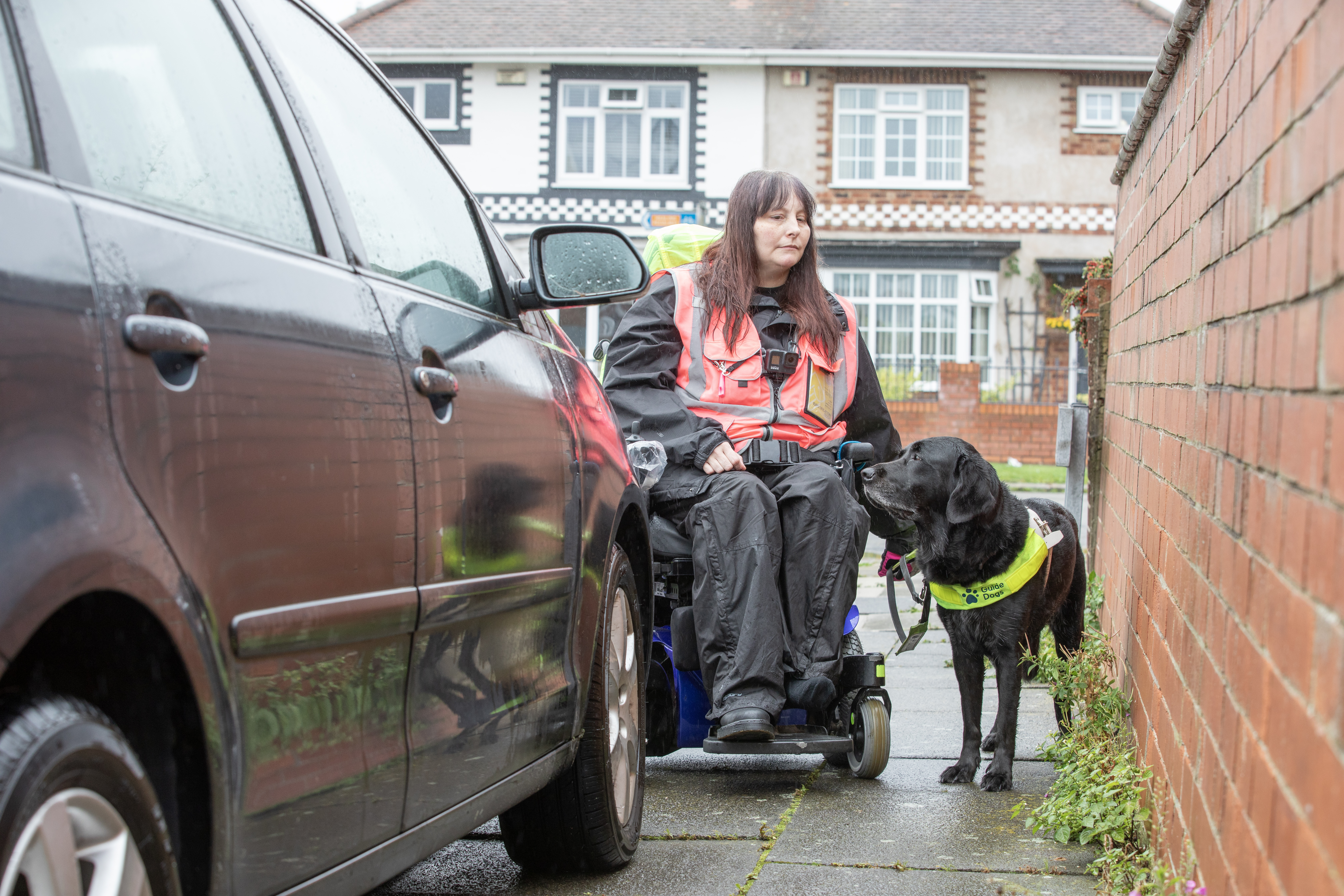
Guide Dogs has long called for a clear national law across England, similar to the existing rules in Scotland and London. While the Government’s proposals take a more local approach, Guide Dogs is keen to see these powers given to councils swiftly and closely monitored to ensure they are working effectively.
Guide dog owner and Regional Campaigns Manager, Jessica Luke, said:
I encounter pavement parking almost every day. It would be amazing to not have to worry about cars blocking the pavement every time I go out. I would feel safer and more confident before I step out the front door.
The announcement comes alongside the publication of the Department for Transport’s response to the public consultation on pavement parking, which was launched in 2020.
This progress has been made possible by thousands of people who have spoken up, shared their experiences and called for change. If you’ve supported the campaign over the years, thank you. Campaign with us if you want to help to help us continue to drive real change.