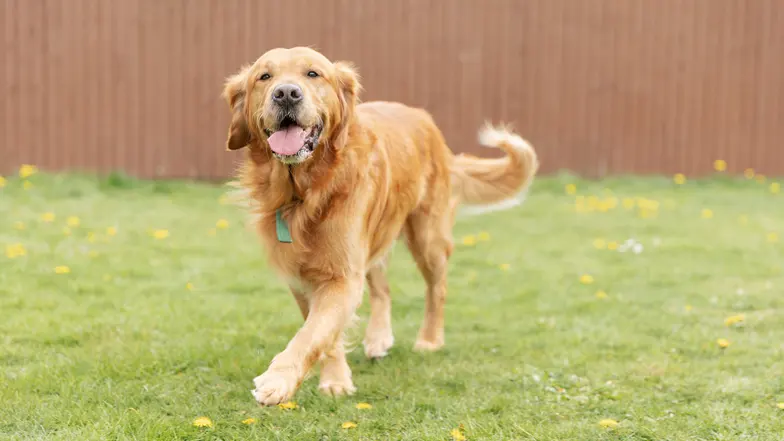
What is canine arthritis?
Also called osteoarthritis, the condition develops when cartilage in the joint is damaged or develops abnormally. In a healthy joint, cartilage helps the bones to move smoothly. In an arthritic joint, the cartilage doesn't function as it should, causing inflammation, pain and stiffness.
Canine arthritis is a life-long progressive condition that doesn't yet have a cure. However, there are treatment options to help manage your dog's pain, keep them active, and slow the progression of the condition as much as possible.
What causes arthritis in dogs?
Arthritis can develop due to wear and tear on a dog's joints as they age; it's more common in older dogs. Other causes of arthritis in dogs include injury, obesity, abnormal development of the cartilage in the joints, and infection.
Some dogs are at increased risk of developing arthritis:
- Certain breeds are predisposed to conditions such as hip dysplasia and elbow dysplasia, making them more susceptible to arthritis. Breeds at higher risk include Labradors, German shepherds, golden retrievers, Rottweilers, springer spaniels and Bernese Mountain dogs.
- Obese dogs can be at higher risk of arthritis because being overweight places extra strain on the joints.
- Dogs who experience an injury such as a torn ligament or bone fracture, as damaged cartilage can develop into arthritis.
- An infection in the joint can cause inflammation which can lead to arthritis.
- Excessive and repeated stress on the joints from high-impact exercise.
Signs of arthritis
Arthritis is a long-term inflammatory disease that develops gradually and may affect the limbs or the back. The condition worsens over time, and your dog may not show symptoms in the early stages. Some dogs mask their pain and discomfort. Regular vet check-ups help to monitor your dog's health as they age. Our working guide dogs see their vet every six months, rising to every three months when they are eight years old.
If you notice any changes in your dog's behaviour, especially if they're a senior dog, speak to your vet for advice. Don't assume that changes such as slowing down are simply a result of ageing. Symptoms of arthritis to look out for include:
- Your dog is less enthusiastic about exercise and reluctant to play.
- Your dog has become uncharacteristically grumpy or irritable.
- Your dog seems tired and is slowing down.
- They show stiffness or lameness, especially after a rest or upon waking.
- You notice your dog limping, especially after a walk.
- Your dog has become sensitive about being touched near their joints.
- You notice a loss of muscle mass in your dog, particularly on the legs and back.
- Their symptoms appear worse when the environment is damp or cold.
- Your dog has taken to licking or chewing at the joint (you may see red or brown saliva stains).
- Your dog's hesitance to get up and about may lead them to have a toilet accident indoors.
End-stage arthritis in dogs
Dogs can live with arthritis for years if they have the right lifestyle and supportive treatments to keep them comfortable. As a progressive condition, dogs with arthritis in the later stages can show worsening symptoms. Loss of cartilage can make the condition very painful as bone rubs against bone in the joints.
With end-stage arthritis, dogs may show symptoms including:
- Much more limited range of movement.
- Being restless when standing due to pain and discomfort.
- Shifting their weight away from the affected joints.
- Eventually becoming unable to walk.
Treatment for arthritis in dogs
See your vet for advice if you have any concerns that your dog might have arthritis. They can do a physical examination to check for stiffness and pain in the joints, assess the range of motion in the joints, and arrange for tests if needed. X-rays may be recommended to confirm the diagnosis and rule out other conditions.
There's no cure for arthritis but your vet will consider treatment options to manage your dog's pain and reduce inflammation. Over time, your dog's needs and treatment plan may change as the condition progresses. They will need regular follow-up veterinary appointments to monitor their condition.
Tips for helping your dog's arthritis at home
Try our top tips to help keep your dog comfortable at home:
- Ensure their bed is in a draught-free area.
- Monitor and manage your dog's weight.
- Add rugs to smooth floors to prevent them from slipping.
- Shorten your regular walks and prevent your dog from jumping.
- Ensure your dog's food, water and toys are easy to access.
How to prevent arthritis in your dogs
It's not possible to prevent age-related arthritis, but you can take care of your dog from a young age, and closely monitor their physical health, to help limit the risk of arthritis earlier in life.
When considering a puppy, if you're looking at breeds predisposed to arthritis, it's important to ask for health screening information, including hip scoring, for the parents. If your dog is at increased risk of arthritis, it's a good idea to take them for regular vet check-ups.
Take care with puppies whose joints are still developing. Try to discourage them from jumping, using stairs, skidding and toy-throwing games.
Giving your dog an active lifestyle and keeping them at a healthy weight to prevent obesity is the most important thing you can do to limit the onset and effects of arthritis.