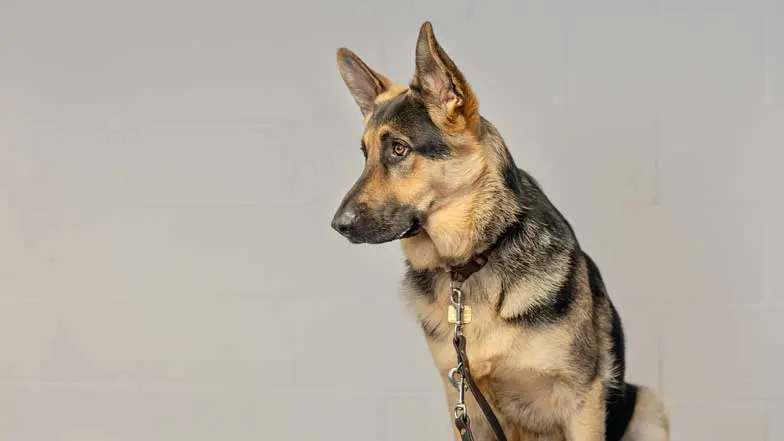
Dogs are great communicators, and they show us how they feel in many ways. Whether it's through their body posture, facial expressions, or the noises they make, they use different signs to let us know what they need. By paying attention to these signals, you can make sure your furry friend is happy and healthy and build a strong bond with them.
Your dog's body language can show when they're happy and want you to interact or play with them. Similarly, if they feel uncomfortable or anxious, they’ll signal that they want you to give them more space or stop what you're doing. Some signs of anxiety or fear can be subtle, so by learning to spot these, you can avoid situations that may make your dog feel anxious or stressed.
Remember - all dogs are different! Your dog's age, breed, personality, and situation all affect how they behave.
When your dog feels relaxed, you might notice that your dog’s eyes look 'soft' or droopy. A relaxed dog’s face and body will be completely tension-free. Their tail might gently wag, and their ears will be upright or in a neutral position (not flat against their head). You might even see their tongue hanging out to the side! And when you talk to them, they might cock their head.
When your dog feels happy, they'll show signs similar to when they're relaxed, but their tail will wag even more! If they want to play, they might lower the front half of their body while raising their bottom in the air - this is called a 'play bow'. Sometimes this might be accompanied by a playful bark or growl that sounds high-pitched and full of excitement!
Anxious dogs, or those who are uncomfortable or fearful, can look similar when relaxed, so it can be harder to spot the signs. We've highlighted the three main stages of these types of behaviour to help you spot the body language signals early and take action to protect your dog:
Stage two is called' escalated discomfort behaviour'. These calming signals show your dog is becoming scared or frustrated and that the threat or situation remains or that previous behaviour has been ignored. If you aren't sure what's causing the behaviour, and your dog often shows these signals in daily life, you should seek advice from a qualified behaviourist:
The third stage is when your dog feels the need to act defensively, known as 'escalated fear and frustration'. This behaviour is your dog's equivalent of us shouting to be heard. At this point, you shouldn't approach your dog as they may feel cornered and fearful:
If you learn to recognise the early signs of fear or discomfort, you should be able to avoid a situation where your dog needs to resort to these behaviours.
If your dog shows signs of distress or aggression, addressing the issue as soon as possible is essential to keep your dog and those around them safe and happy. Here are some helpful steps you can take:
With a little patience and positive reinforcement, you can help your dog feel happy and secure in no time! However, if your dog's behaviour continues to cause concern, it's a good idea to seek the help of a professional, such as a qualified behaviourist. They can help identify the root cause of the behaviour and provide guidance on how to address it.
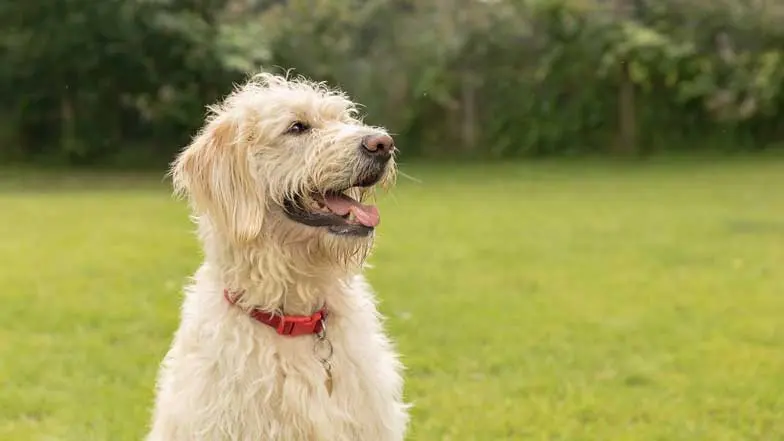
A wagging tail is such a happy sight! It's usually a sign that your dog is feeling joyful and excited. But it's essential to keep in mind that your dog’s tail position and the speed and intensity of the wag can give you more insight into your dog's emotional state. For example, a low, slow and relaxed wag may mean they feel content and at ease, while a quick and vigorous wag of a tail held high may signal arousal and excitement.
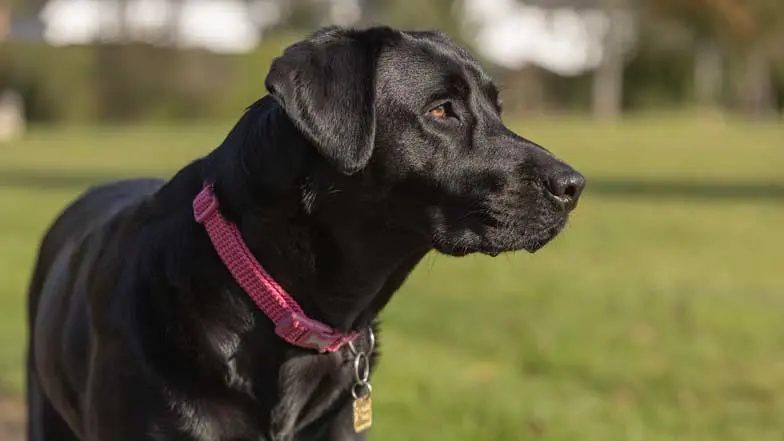
Like us, your dog's facial expressions can be so telling! A happy dog often has a relaxed face with soft eyes, while a dog that is feeling tense or anxious might furrow their brow and have hard, staring eyes. Keep in mind that some breeds, like black dogs and those with flat faces, have facial features that are sometimes a bit harder to read, but once you know what you're looking for, you'll soon get the hang of canine communication.
Your dog's body language is like a window into their soul. A relaxed and happy dog will have a loose and wiggly body with a wagging tail and may even invite you to play with a raised bottom and a high wagging tail (also known as a play bow!). In contrast, a dog with a tense body raised hackles (piloerection) or other signs of discomfort may need extra space and attention.
It's always a good idea to look at your dog's 'whole-body language', rather than just focusing on one aspect to get an overall sense of how they are feeling. However, with time and practice interpreting every head cock, ear twitch and tail wag will become second nature!
When understanding your dog's behaviour and body language, it's important to consider the specific situation and what's normal for your dog. The behaviour shown by your dog when they feel uncomfortable can look similar to when they're relaxed – for example, rolling onto their back could mean your dog is telling you that they're uncomfortable or trying to diffuse a situation, not that they would like a belly rub.
By understanding the context of your dog's behaviour, you can choose how to respond and what to do if the situation happens again.
Whilst looking out for the behaviours above will help you understand what your dog is feeling, here are some factors to bear in mind:
It's essential to consider the specific situation and what's normal for your dog when reading their body language. What might be relaxed behaviour in a home environment can mean something different in a public setting.
Puppies and older dogs will behave very differently due to their stage of development and age-related changes. Puppies are likely to be more energetic and playful, while older dogs tend to be calmer.
Just like people, dogs have their own personalities that influence their behaviour. Some dogs may be more outgoing and confident, while others may be more timid and anxious.
Different dog breeds can have certain behaviours due to selective breeding. For example, herding breeds, such as sheepdogs, may like to herd other animals. However, this does not mean all dogs of a breed will show the same behaviour, as environment, learning and individual personality will also affect how they behave.
If your guide dog is showing signs of fear, anxiety or discomfort that are causing concern, please contact Guide Line - our team are always happy to help. Please contact the emergency line on 0345 143 0217 if anything happens outside of office hours.
Guide Dogs is committed to the highest standards of dog welfare, operating on the knowledge that the welfare of our dogs is inseparable from the wellbeing of our service users. Our staff, volunteers, and service users, undergo comprehensive training in dog care and welfare, to ensure close adherence to our key welfare principles.
We create educational and informative content to share our 90-plus years’ worth of canine expertise. This content is periodically reviewed as we continue to embrace new knowledge and scientific insights to improve how we breed, raise, train, and partner our dogs.
Whilst Guide Dogs may be able to suggest various third-party websites and third-party products when pertaining to dog care, those are not endorsed by Guide Dogs. Guide Dogs has no control over those third parties and cannot be held responsible for the accuracy of information and support they can provide or the suitability and quality of any products or services they provide.