What’s it like to rehome a retired guide dog?
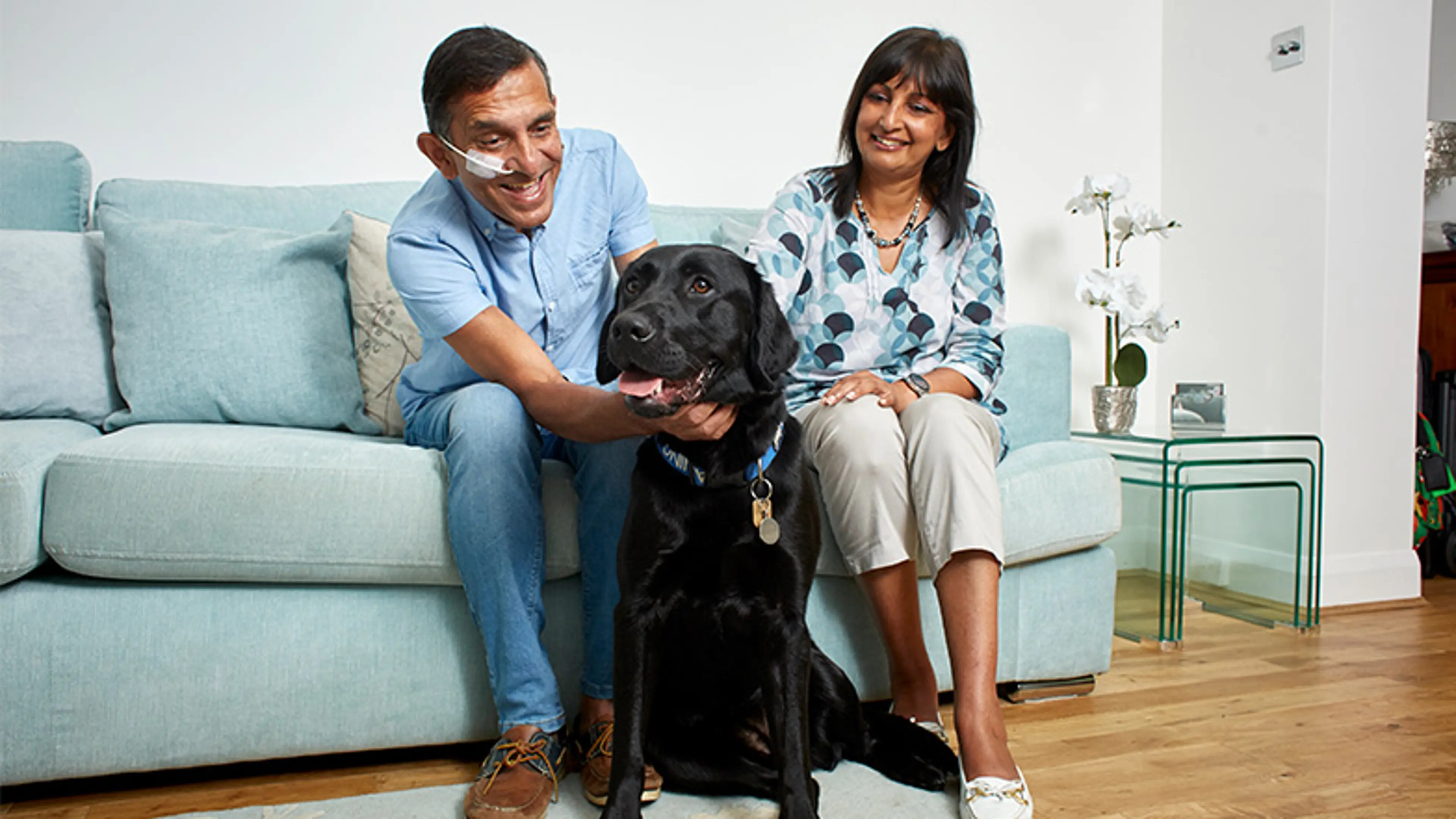
Adopting a retired guide dog is a unique and rewarding experience. You’ll welcome an extra special, loving pet dog to your home, and you’ll also be supporting an important cause.
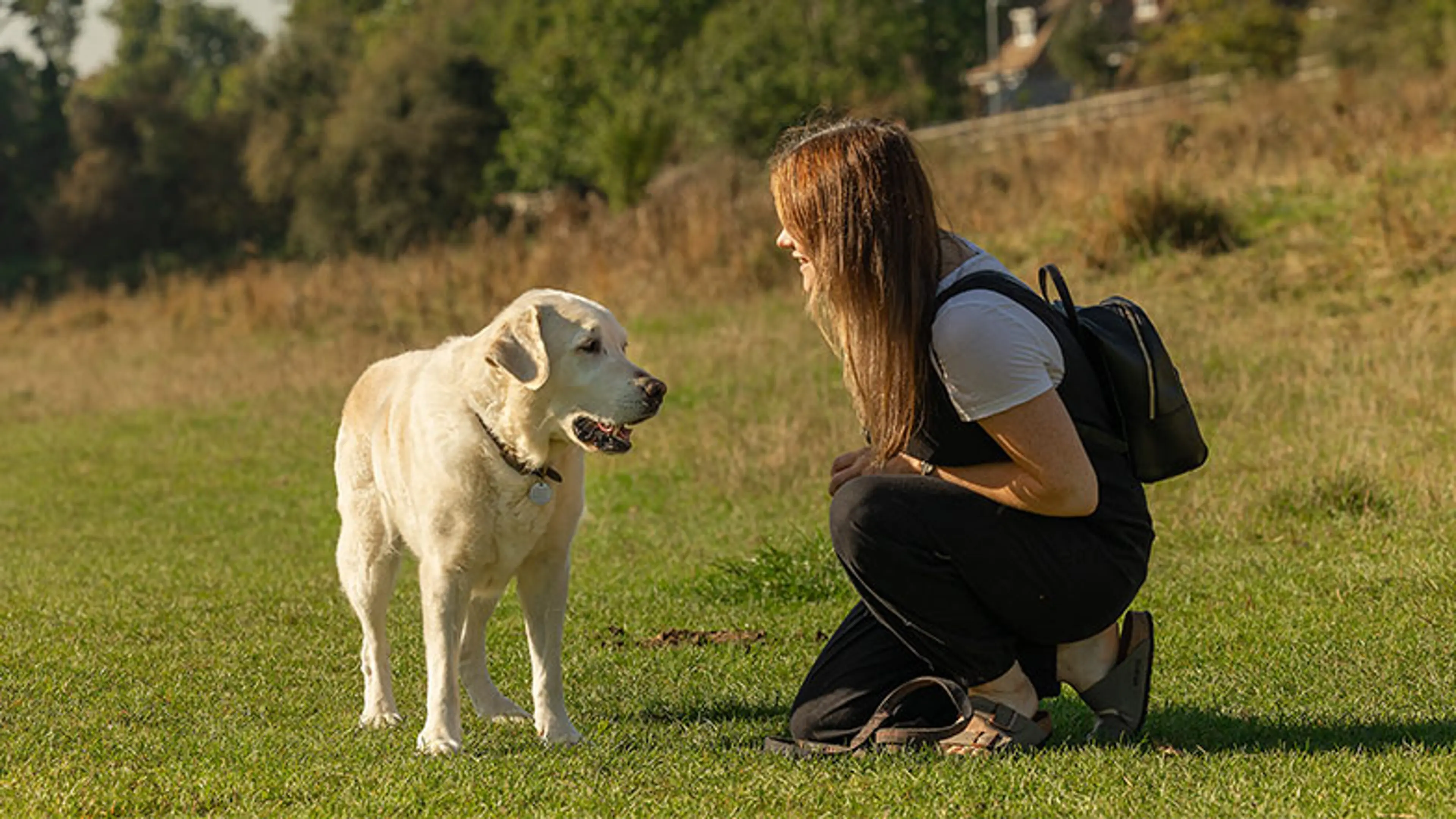
Rehoming a retired guide dog often means adopting an older dog. Most of our guide dogs retire when they’re between 10 and 11 years old, although there’s no fixed retirement age. It depends on when the time is right and on each dog’s individual needs.
Golden oldies make great companions, especially if you want a pet who is around a lot of the time, as they value their rest. They’re generally calmer and looking for a slower pace of life. But they’re also more likely to have age-related health conditions, such as arthritis, that will need to be managed.
Our guide dogs for rehoming are typically Labradors and golden retrievers; these breeds make up almost 80 per cent of our dogs. We can also have German shepherds, crossbreed curly coat retrievers and labradoodles.
The benefits of rehoming an older guide dog
Rehoming a retired guide dog is a wonderful way to welcome a new member to the family.
Here’s five reasons to adopt a retired guide dog:
- Our retired guide dogs will have already mastered their guide dog training and will be trained and socialised to a high standard but of course all dogs have their own personality and they can be cheeky too.
- You’ll receive a full background history about your dog and full transparency about any health conditions or behaviour needs. If required, we can provide tailored advice and before you rehome the dog to help manage the additional needs they have.
- Older dogs tend to be calmer and prefer a slower pace of life, which may suit some families.
- Our expert rehoming officers are passionate about finding the right forever home for our dogs, so we’ll consider your needs and lifestyle, and the needs of each dog to make the right match. We’re proud to have a high success rate for rehoming our dogs.
- You’ll know that you’ve helped someone by providing their guide dog with a well-earned retirement in a loving home.
Read about our rehoming success stories
It is a privilege to be able to give an older dog a home with fun and new experiences when they have served their owners so well and worked loyally for many years. Read about some of our rehoming success stories below.