What are golden retrievers known for?
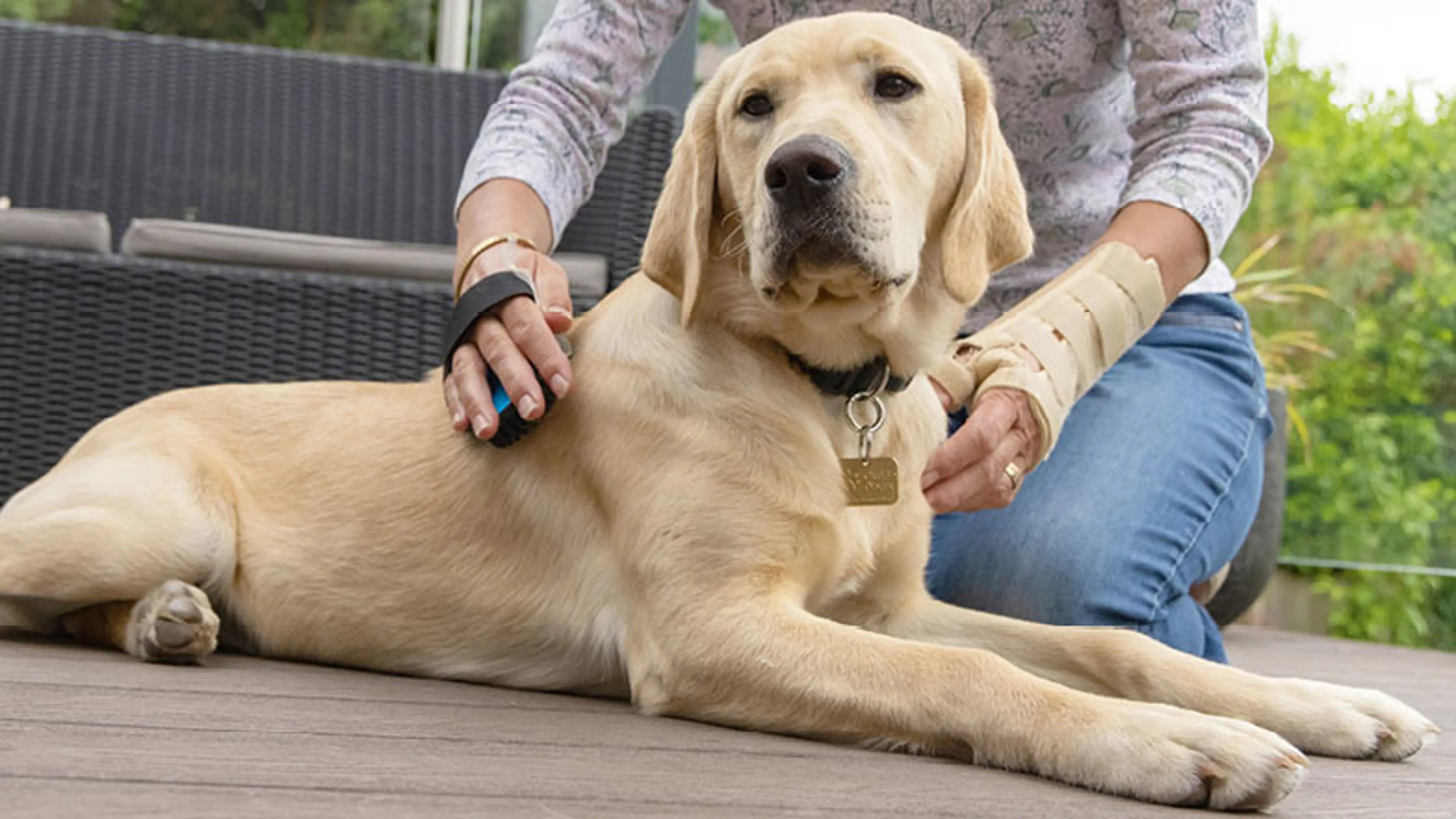
With friendly faces and happy wagging tails, golden retrievers often make much-loved family dogs, especially as they’re generally sociable with other dogs and animals. They’re well known and popular as assistance and therapy dogs.
Personality
While every dog has their own personality, with the right socialisation and training golden retrievers can become sociable members of the family. They’re also known to be calm, outgoing and sociable in nature which are qualities of an excellent guide dogs. Golden retrievers typically love to fetch, so building playtime and games into training sessions can be helpful. They can enjoy swimming, as well as their daily walks.
Golden retrievers are known to be motivated by food and play, making them easy to train and reward as food can be used as an effective reward to encourage desired behaviour. We don’t recommend giving table scraps as some human foods aren’t safe for dogs.
The breed is often described as eager to please and good problem solvers, with great attributes in training. However, like all dogs, they don’t like to be alone. Our guide dogs are never left alone for more than four hours every 24 hours.
Physical traits
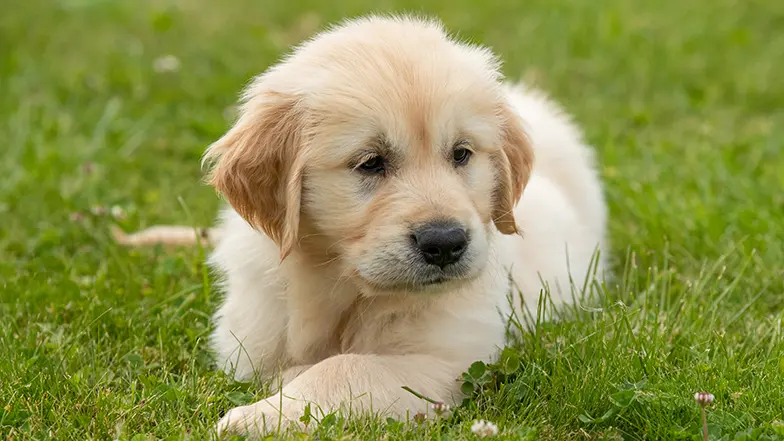
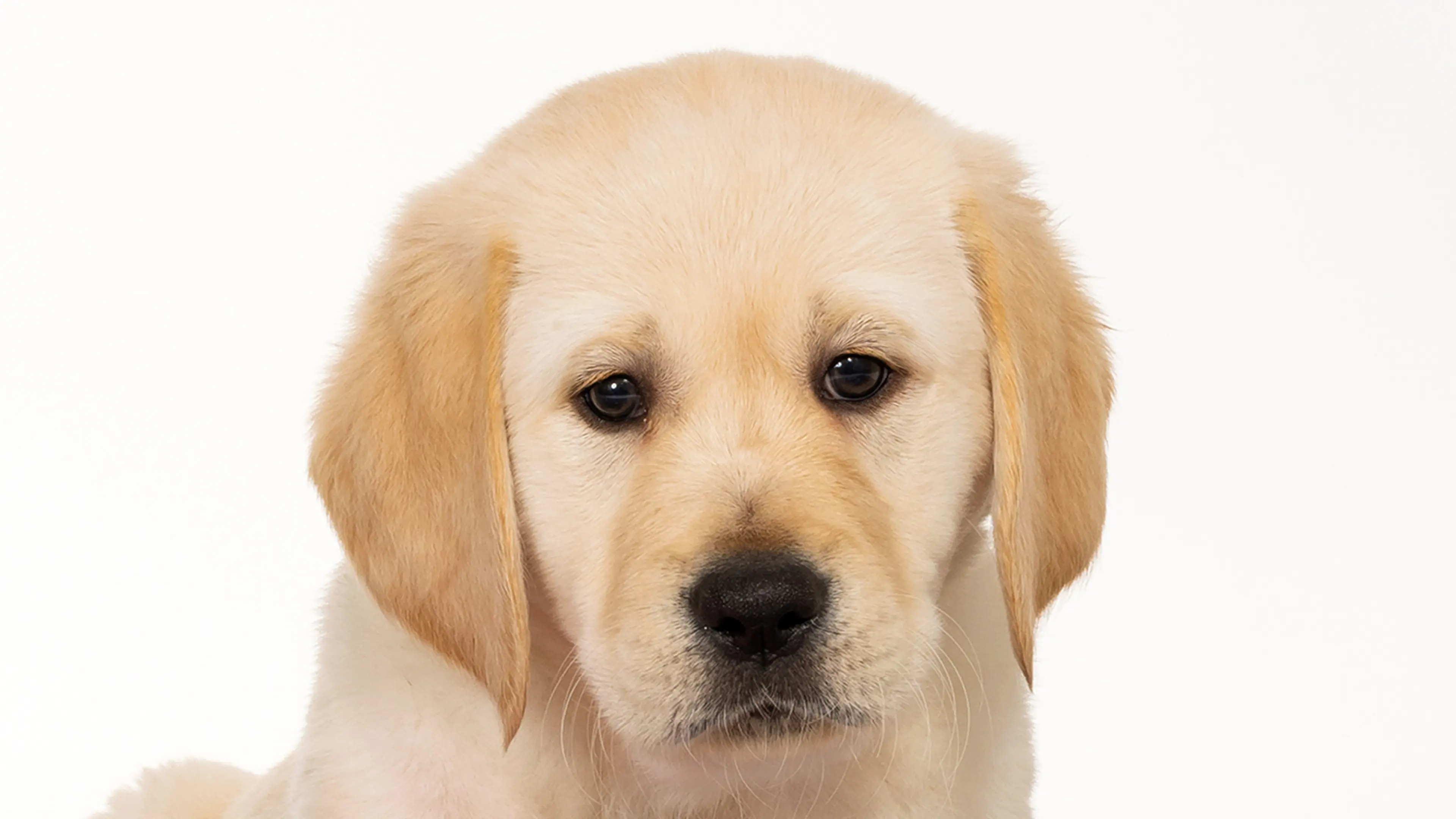
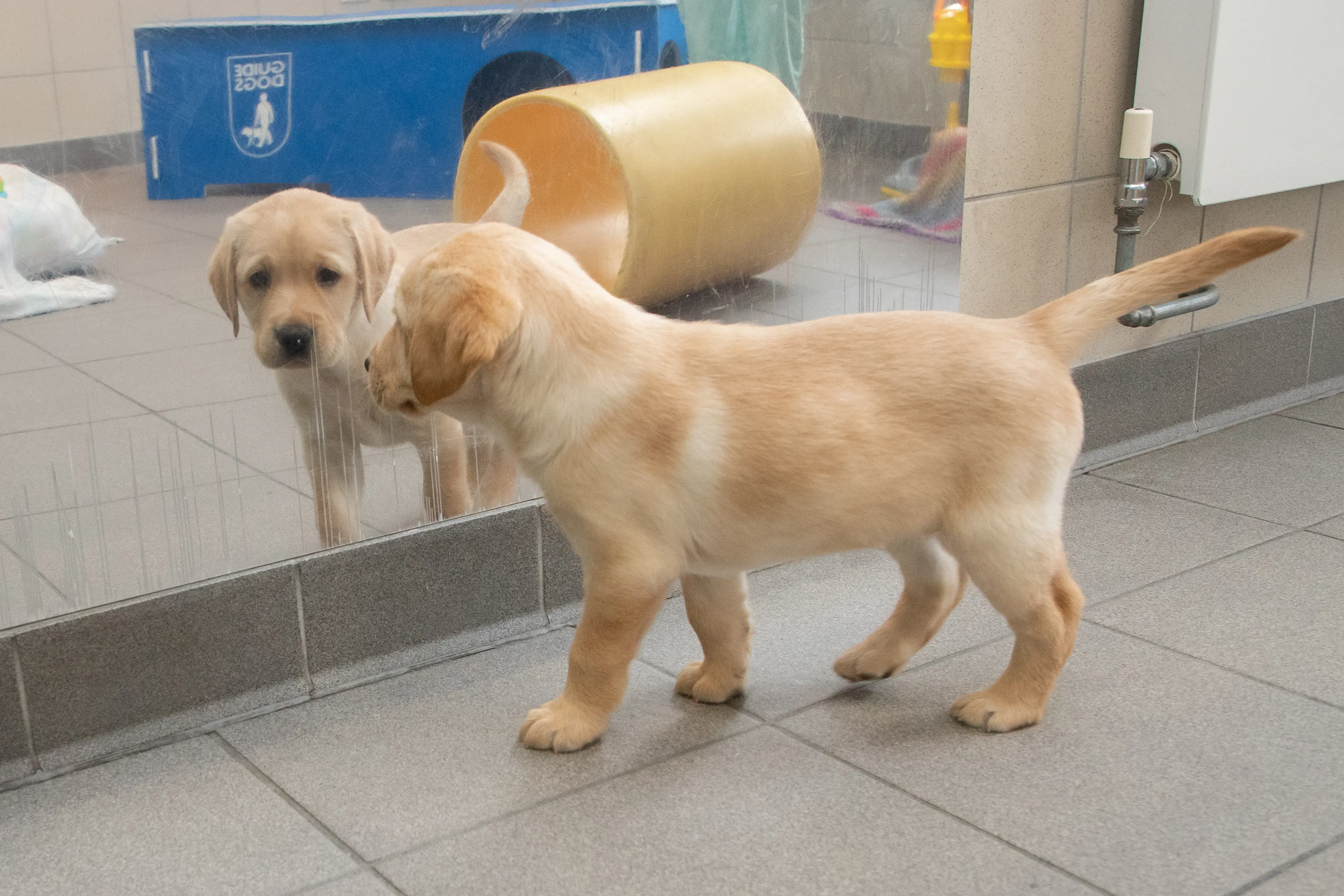
The golden retriever is a sturdy, muscular, intelligent dog with thick golden or cream-coloured coats, feathery tails, and friendly eyes.
They’re a large enough breed to guide their guide dog owners while wearing a harness but small enough to fit comfortably under a table, legs, and on public transport.
Caring for your golden retriever
A dog's health isn't just the outcome of their breeding, but their lifestyle too. Dogs rely on their owners for the right diet and exercise to help them keep as healthy as possible. Vaccination, boosters, vet health checks, as well as physical checks at home also help look after a dog's health.
Socialisation
Golden retrievers are often described as being loyal, affectionate dogs who thrive on human interaction. Like all dogs, they must also be supervised around young children. Dogs left alone for too long can develop behavioural problems and separation anxiety.
Training
This breed can be highly motivated by food, which comes in handy when training, but means their owners need to watch their calorie intake as their known love of food can lead them to become overweight. Take food rewards from their daily food allowance, rather than extra calories.
Exercise
Golden retrievers are active, large dogs who need daily exercise as adults. Physical exercise includes walks on and off the lead, training, and active play. We recommend mixing various activities and spreading them over the day rather than giving dogs one very long walk. As a retriever breed, golden retrievers can love a game of fetch, agility training, tracking and swimming. It's important to let dogs digest their food before exercise; having a feeding routine can make this easier.
While physical exercise is important, so is mental stimulation to keep dogs’ minds busy and satisfied. Dogs will enjoy enrichment activities that play to their instincts. We recommend building play into dogs’ daily routine, for example giving food in slow feeders that make dogs work a little harder, whilst having fun, to get their dinner.
We encourage guide dog owners to let dogs choose what they do at home. For example, allowing dogs to be free to settle by themselves or ‘walk away’ from training or play sessions when they want to stop.