The summer can bring us days of sunshine and soaring temperatures. On warm, humid days it's important you're aware of the effects that the higher temperature can have on your dog.
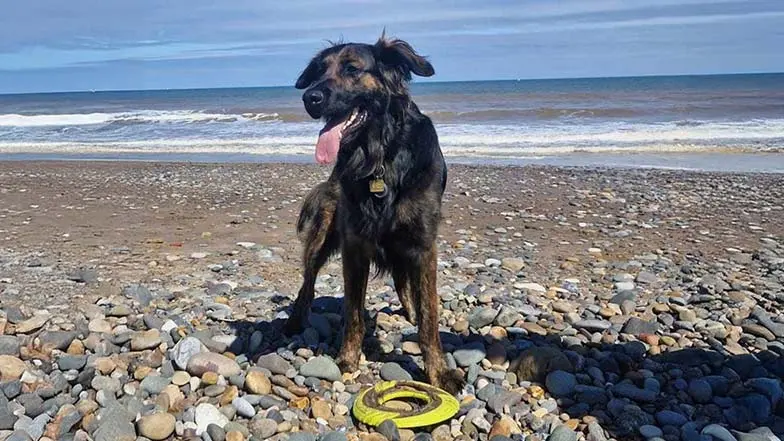
The summer can bring us days of sunshine and soaring temperatures. On warm, humid days it's important you're aware of the effects that the higher temperature can have on your dog.
You need to be aware of the effects of heat at cooler temperatures than you might expect. Temperatures over just 20 degrees Celsius can start to have an impact on your dog, and when the mercury reaches 25 degrees, greater care should be taken to prevent your dog getting too hot and risking heatstroke. Individual dogs, and different breeds, will respond differently to the heat. Their response can differ due to age, fitness, health and how used they are to the conditions, but all dogs rely on us to protect them from the effects of the sun.
Dogs aren't aware of the dangers that the heat can bring and need you to keep them safe and protected from the impact of hot weather.
When we’re hot, we sweat to expel excess heat. Dogs, however, only perspire around their paws, so to cool down, they pant. This enables them to take air through their nasal passages, picking up excess heat from the body, which is then expelled through the mouth. The ability to do this is severely affected in high humidity or when the dog is confined, for example in a car.
It’s a common misconception that dogs don’t get sunburnt, due to their hair or fur. While this is partly true, it’s possible for your dog to get burned on exposed areas of skin, such as their nose, lips, or tummy. Breeds with lighter or shorter fur are more at risk of burning, as their skin is more exposed to the sun.
To help prevent this, ensure your dog has access to cool, shady areas, and prevent them from lying in the sun for extended periods of time. If you notice your dog’s skin getting pink or red, move them indoors and apply a cold, damp towel to the affected area for 20 minutes.
Loading video...
Even on a mild day, with the windows open, the temperature inside a car can reach around 49 degrees Celsius in less than 30 minutes. The high humidity, combined with the enclosed space, can dramatically increase the risk of heatstroke – which can quickly become fatal for your dog.
Heat exhaustion can rapidly progress to heatstroke and become an emergency situation. Be aware of the following signs:
If you think your dog has heatstroke, you must act quickly and calmly. If possible, move your dog to a cool, shaded area. If your dog is having difficulty breathing, ensure their airways are clear. Your dog’s temperature needs to be reduced as quickly as possible. This can be done by immersing or soaking your dog in cool water, before positioning them in front of a fan or cool draft - this will help reduce their temperature. Call your vet immediately for further instructions.
Dogs’ paw pads are covered with hard layers, but they can still suffer burns to their feet. Artificial grass is becoming more popular; however, it’s important to be mindful that it’s often made of plastic, and under bright sunshine it heats up very quickly which risks burning dogs’ paws. Remember, Tarmac, concrete, and pavement surfaces can become dangerously hot on sunny days and retain the heat later into the evening. You can test the temperature of the ground by carefully checking it with the back of your hand for around five seconds - if it’s too hot for your hand, it’s too hot for your dog’s paws!
Many dogs love swimming, particularly in the warmer months, but it’s important to be careful in the hot weather:
Learn more about seasonal dangers outdoors.
Your dog's appetite and digestion may be affected by the warmer weather. The higher temperatures could make your dog less hungry, as they may be less active during the daytime.
Try offering your dog food at cooler times of the day. Remember to never leave your dog's food out for long durations, as heat and humidity can cause dog food – both dry and wet – to go rancid.
If your dog is losing weight rapidly, hasn’t eaten in 24 hours, or has stopped drinking their water, you should contact your vet immediately.
Dogs need their exercise, but on warm days they can overheat easily – and heatstroke in dogs can become dangerous very quickly. In warmer weather:
You can help your dog safely enjoy warmer temperatures by following our tips:
Guide Dogs is committed to the highest standards of dog welfare, operating on the knowledge that the welfare of our dogs is inseparable from the wellbeing of our service users. Our staff, volunteers, and service users, undergo comprehensive training in dog care and welfare, to ensure close adherence to our key welfare principles.
We create educational and informative content to share our 90-plus years’ worth of canine expertise. This content is periodically reviewed as we continue to embrace new knowledge and scientific insights to improve how we breed, raise, train, and partner our dogs.
Whilst Guide Dogs may be able to suggest various third-party websites and third-party products when pertaining to dog care, those are not endorsed by Guide Dogs. Guide Dogs has no control over those third parties and cannot be held responsible for the accuracy of information and support they can provide or the suitability and quality of any products or services they provide.