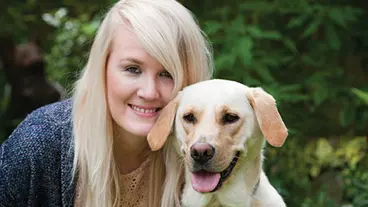
Nystagmus (pronounced nis-tag-mus) is a condition that causes uncontrolled, constant rapid movement of the eyes. This movement is likely to cause vision problems. The underlying cause of nystagmus is often neurological, involving how the eye and brain work together to produce vision.
Nystagmus can occur in infants and adults, although the causes may be different. It is a common cause of vision impairment in children, who will benefit from early help and support to make the most of their eyesight. For adults, nystagmus can be a sign of another underlying condition that needs treatment.
You can find more information about the causes, symptoms and treatments of nystagmus on the NHS website.
In this video, Nicky shares her experience of living with nystagmus.
Loading video...
Nystagmus is the most common type of vision impairment in school-aged children (Source: Nystagmus Network). Children with infantile nystagmus syndrome are often diagnosed at a very young age. Getting advice and support from the start will make all the difference.
Learn more about the services and support we offer for children and young people.
People with nystagmus can have very different experiences, depending on how much their functional vision is affected. However, most people live independent, fulfilling lives with the right support.
If you're an adult living with acquired nystagmus:
At Guide Dogs, we have a wide range of services, both with and without guide dogs, and a team of experts who can work with you to understand your needs and agree on a plan that’s right for you.
The ways we could help you:
Enquire today, so we can help to find solutions that work for you
Depending on how nystagmus affects your vision, you may need adjustments to help you manage at work. Employers have a legal responsibility to make reasonable adjustments to accommodate your needs. You can speak with your manager about what will work best for you. This might include:
The Access to Work scheme gives employers a grant to help pay for equipment or services you need to work. These grants can be used in many ways. For example, it could help you get safely to and from work if you can’t use public transport or pay for a support worker to assist you.
Congenital nystagmus often causes difficulties with depth perception and judging distances. Many people living with nystagmus also find their sight worse when tired, stressed, or feeling unwell. This means you may have ‘good eye’ days and ‘bad eye’ days. Speak to your ophthalmologist for advice about driving based on your circumstances and eyesight.
If you develop acquired nystagmus, you must report it to the DVLA. As with any eye condition, you have to meet the DVLA’s minimum standard to continue driving. Your ophthalmologist will be able to advise you about driving with nystagmus.
It’s natural to feel worried about a nystagmus diagnosis, whether for yourself or your child. You may be dealing with an underlying condition at the same time as adjusting to living with nystagmus. These can affect everyday life but won't stop you or your child from being independent and doing what you enjoy, with the right help and support.
You can contact us to find out about services and support tailored to your individual needs.
The severity of nystagmus can vary, but it commonly causes vision impairment. Children with nystagmus will need support, especially at school. Adults with acquired nystagmus may experience some difficult symptoms, like dizziness. Though nystagmus can’t be cured, treatments can help with symptoms.
The way the eyes move with nystagmus can make it harder to focus, with things appearing blurred or shaky. Nystagmus also affects depth perception, so it's harder to judge distances. Your eyesight might worsen with tiredness, stress, or illness, meaning your vision can vary day-to-day.
The impact of nystagmus on vision can vary a lot from person to person. For some people, the condition causes significant sight loss. If so, you may be able to register as sight impaired. Your ophthalmologist can help you with this.
It's not essential to register as sight impaired, but it can mean you receive extra support such as discounts and benefits.
Occasionally, surgery can help re-position eye muscles so that using the null zone doesn't require an abnormal head position, making it more comfortable. It doesn't correct the nystagmus itself.
This may be offered to some people with acquired nystagmus. If the underlying cause of your nystagmus is a medical condition, it may be possible to treat this and reduce the involuntary eye movements that trigger symptoms.
For some people with a neurological condition causing nystagmus, Botox can be injected into the eye muscles. It temporarily weakens them, slowing involuntary movements to ease symptoms.
Guide Dogs is committed to working alongside people with a range of vision impairments, who are registered as either sight-impaired or severely sight-impaired.
Our staff undergo comprehensive training in supporting individuals with vision impairment, to enable us to support you every step of the way through one of our many services, with and without dogs. We foster knowledge of living with vision impairment and create content in collaboration with our Vision Rehabilitation Specialists and Habilitation Specialists.
This content is periodically reviewed as we continue to embrace new knowledge and up-to-date information, in order to improve how we deliver our services and advice.
Please note: Whilst Guide Dogs may be able to suggest various third-party websites which may be able to assist you, those are not endorsed by Guide Dogs. Guide Dogs have no control over those third parties and cannot be held responsible for the accuracy of information and support they can provide or the suitability and quality of any products or services they provide.

In our eye conditions hub, we explore some of the most common conditions and share guidance on their real-life implications, so you can understand more about what living with this condition might mean for you.
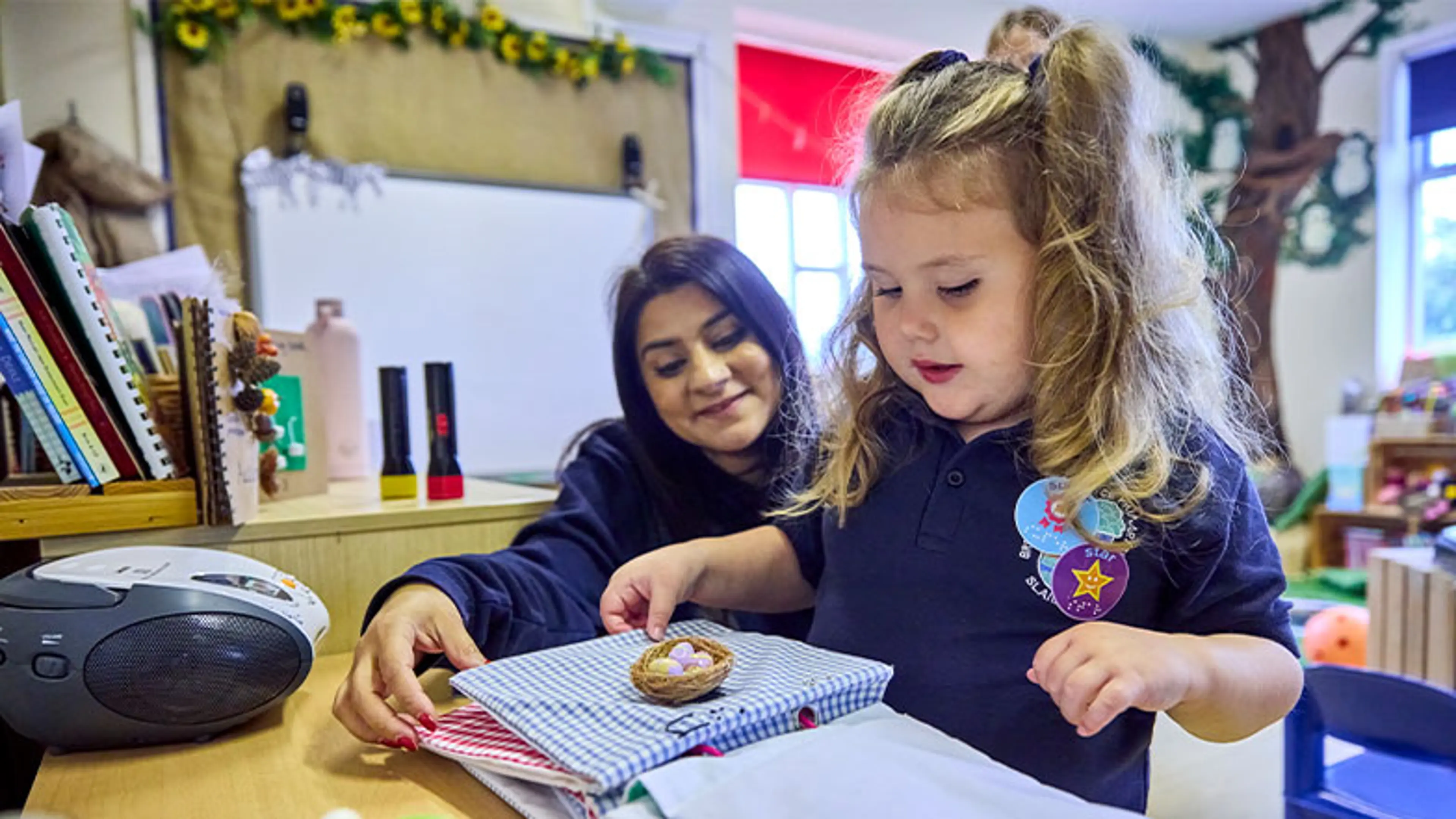
Learn about our range of services to support children and young people, helping to provide them with the skills they need to live an independent and active life.