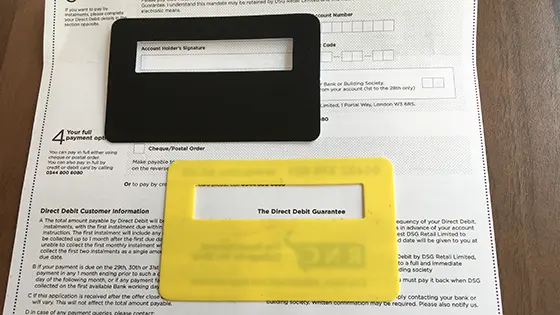

Contrast is simply about using colour and shade to help an object stand out against its background. Along with good lighting, it’s key to using your functional vision effectively. Using good colour contrast when you’re carrying out everyday tasks will help to reduce risk, build your confidence and maintain your personal safety.
We’ve got some suggestions for how you can use contrast to help you identify items, but if you feel you need some specific advice, it would be worth contacting a Rehabilitation Worker/Rehabilitation Officer for Vision Impairment or Vision Rehabilitation Specialist.
You can buy most of the equipment we suggest from homeware and DIY stores, and the more specialist items, such as Dycem non-slip matting, from RNIB online or possibly from your local support agency (formally known as society for the blind).
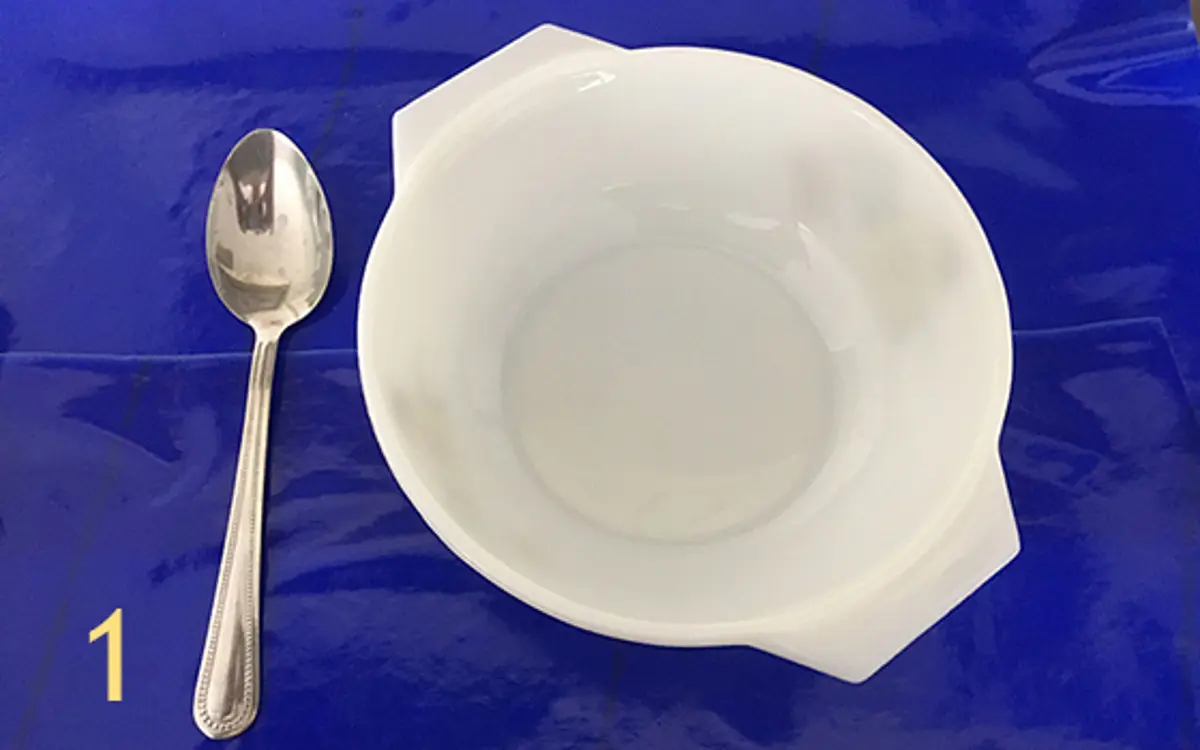
Use a dark tray, mat or chopping board when using light coloured crockery as it will add contrast. For example, as in image 1 above, if you’re using a white bowl, put it on a tray covered with blue Dycem non-slip matting to highlight the contrast.
Equally, if you’re using a dark plate, it will contrast better with a light background, so you can put it on a yellow mat, as in image 2 above.
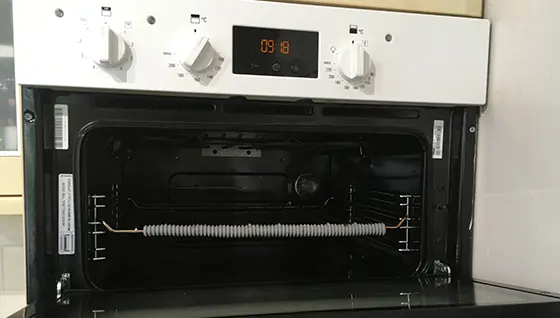
You may have difficulty seeing shelves in the oven, especially if the oven has an internal light. You can buy oven shelf guards, which can help you to see the shelf, and that may also help protect your hands and arms when you’re reaching into a hot oven.
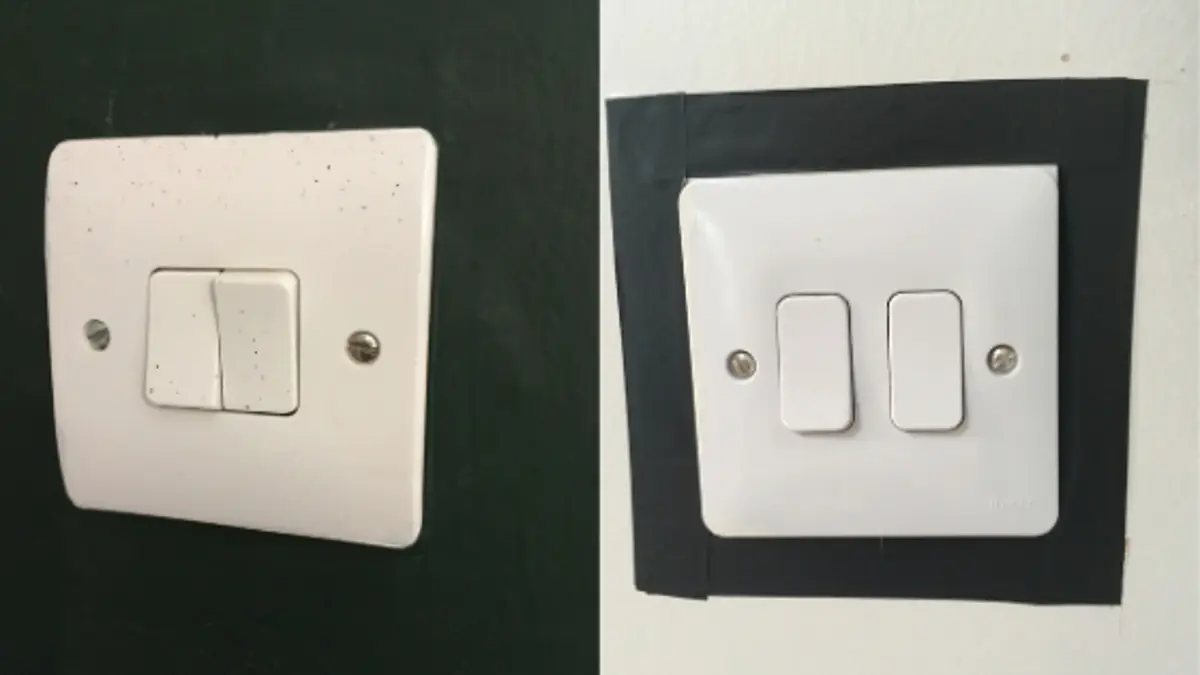
Because bright colours help me, I’ve painted the walls in my house so they contrast well with the brown doors and I also use vivid colours for my crockery.
To help you find steps or slopes outside your home more easily, especially if the lighting is poor, put a contrasting edge on both the vertical and horizontal part of each step, or at the start and end of a slope.