Parental controls on App Store and iTunes
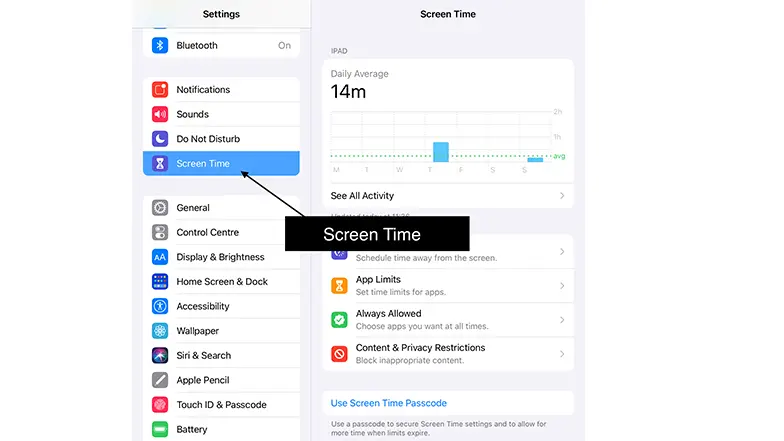
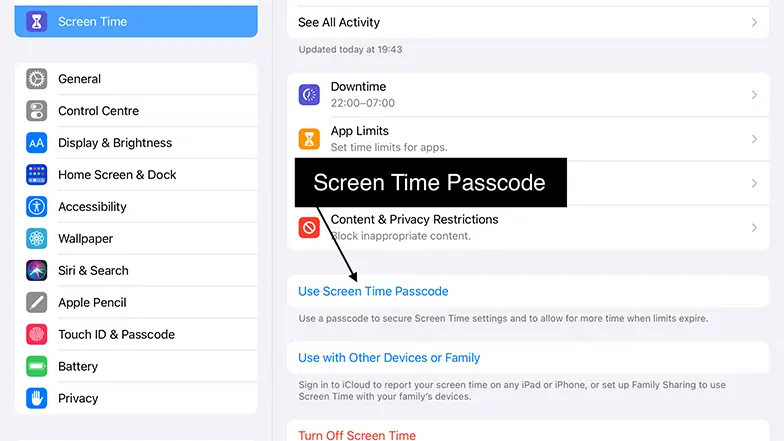
You can prevent iTunes and App Store purchases from being made on your child's iPhone or iPad by using Screen Time. To do this:
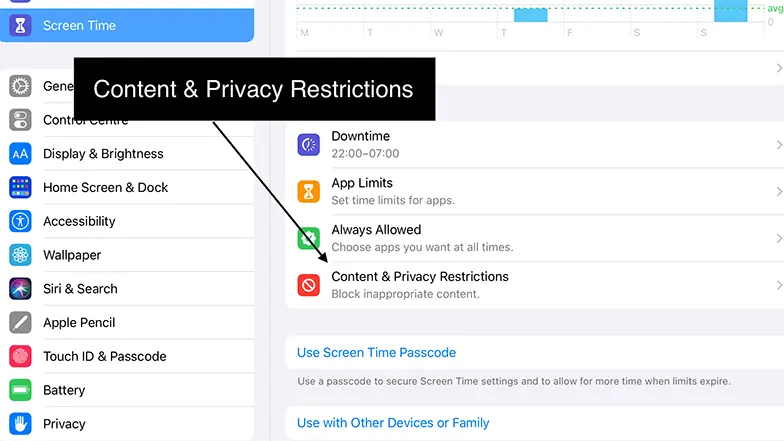
- Go to Content & Privacy Restrictions in Screen Time.
- Slide the toggle next to Content & Privacy Restrictions to green (on). This will turn the options below from grey to available to click on.
- Go to iTunes & App Store Purchases.
- Go to in-app purchases and set to 'Don't allow'.
- Tap the option to always require a password. This is a recommended option as there are many ‘free games’ that are designed for in-app purchases to progress the game.
Choosing Allowed Apps to prevent purchases
Create app limits by tapping the Allowed Apps option, which will enable you to move the slider from the on to off position against each app. To prevent iTunes purchases, deselect the iTunes Store.
How to set up Ask to Buy
If you'd like to give your child some freedom on their device, an alternative would be to use the Ask to Buy feature so that when your child wants to buy or download a new product or game, they send a request to you, the family organiser, to approve. This option is available if you've set up Family Sharing, which you can do by going to settings, then your profile at the top, and then Family Sharing to connect family members.
How to block adult content on iPhone or iPad
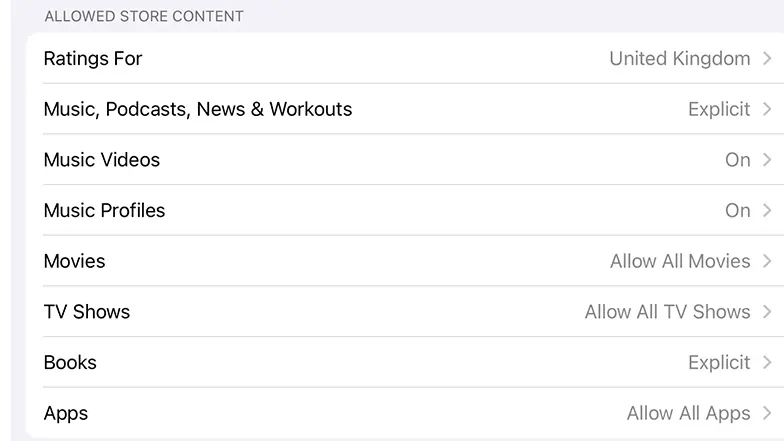
Under Content & Privacy Restrictions in Screen Time, you can tap Content Restrictions to choose the content your child has access to. You can adapt this to your child's age as the categories are split into categories from early years to pre-teen to adult.
For apps, the categories are:
- Four years and over
- Nine years and over
- 12 years and over
- 17 years and over
- Allow all apps
Restricting web content
In the Content Restrictions section, you can also restrict what your child can access online using the Web Content option. By default, this option is set to Unrestricted Access. You can change this to Limit Adult Websites and Allowed Websites Only. This option has pre-populated sites such as Disney, as well as the option to add a website with the URL address.
Apple privacy settings
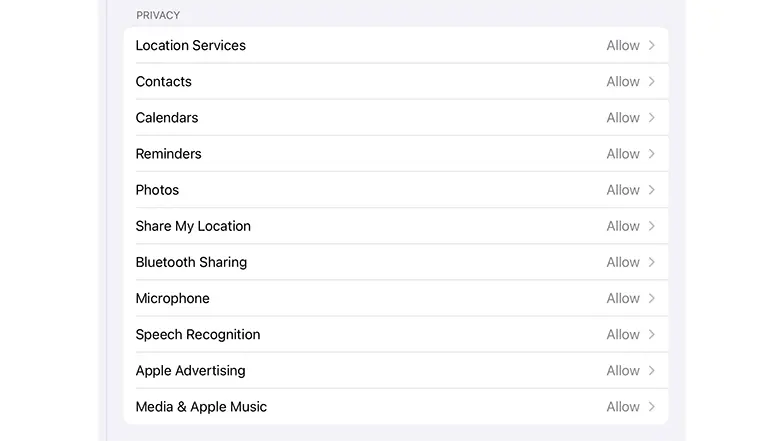
The Privacy section in Content & Privacy Restrictions allows you to limit access to services such as Location Services, Share My Location, and Speech Recording on your child's device. Most of the options are a choice between Allow or Don’t Allow changes.
Use Downtime to set app time limits
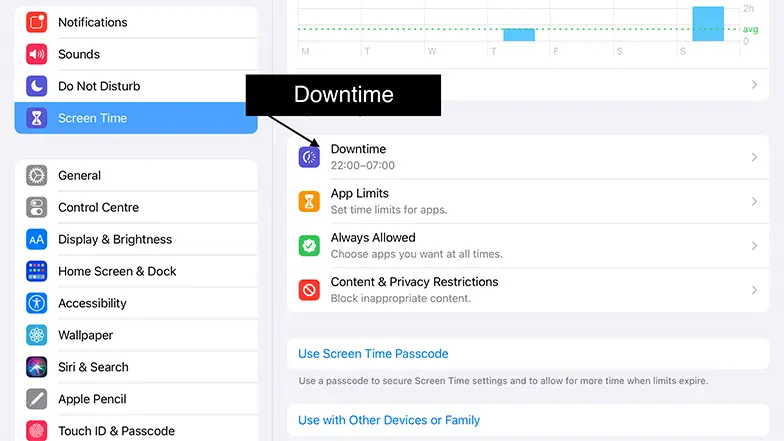
Downtime is an option that allows you to set a specific time to block access to apps and notifications. To do this, use the green slider to enable this option and set the start and end time. A reminder appears five minutes before the downtime is due to begin.
Other safety features on your child's iPad or iPhone
How to turn on Find My iPad or iPhone
Another important safety consideration is what to do if your device gets lost or stolen. Luckily, Apple devices have the Find My iPhone/iPad option to help in these situations. By having this activated, you can use it to locate or secure your iPad or iPhone if it's lost or stolen. To set it up:
- Open the Settings app and tap on your name at the top or in the left panel.
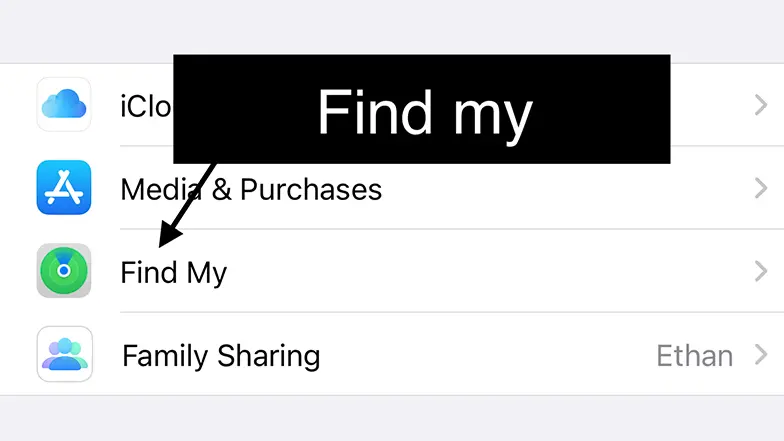
- Tap on the Find My option.
- Tap on Find My iPhone/iPad and slide the green switch to activate this service.
How do I use Find My iPhone or iPad to find my lost device?
If your device is lost or stolen, you can use the Find My iPhone/iPad option to locate it. This is managed from your Apple account.
- Go to iCloud.com and log in with your Apple ID username and password that you used to sign in to the device.
- Choose the option from the main screen for Find My iPhone/iPad.
- A map will load the device’s last known location, shown with a large dot.
- Click on the dot and the device details will appear in a pop-up window. There are then three options for you:
- Play sound – this will activate a repeating ping sound until the device is located and opened.
- Lost Mode – this option disables the device. A prompt will ask you to enter a telephone number you can be contacted on which will appear on your lost device. Click ‘next’ in the right-hand corner, then the option to leave a message that will be displayed on the device alongside your telephone number. The device is then locked with its existing passcode. Lost Mode is deactivated when the passcode is entered.
- Erase iPhone or iPad – this will erase all content and settings. Click erase to complete the task.